
How to order company T‑shirts online without delays to get fast EU delivery
Slow lead times—not design—sink most branded apparel projects.
According to a McKinsey operations study, reliability has a stronger impact on B2B satisfaction than price. If you’re sourcing company T‑shirts for onboarding or events, the fastest wins come from choosing the right fabric, matching print technology to use‑case, and selecting suppliers with verifiable EU shipping SLAs.
Affordable online ordering: specs, pricing breaks, and low‑risk choices
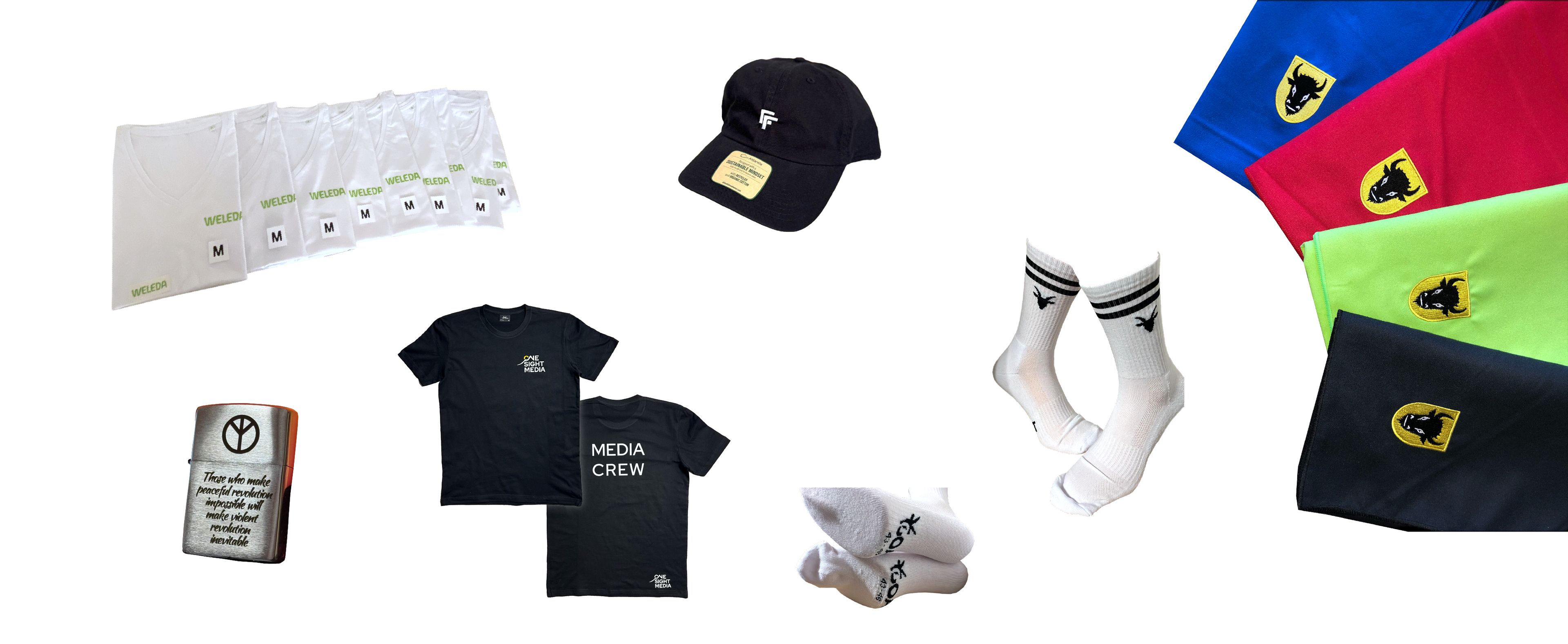
Standardize specs to unlock pricing tiers: unisex regular fit, limited colorways, and batch sizes at discount thresholds.
For single or two‑color logos, screen printing often yields the lowest total cost; for detailed marks on blends, DTF avoids screen setup fees.
Choose platforms with transparent unit pricing, instant lead‑time estimates, VAT‑compliant invoicing, and EU warehousing to minimize customs friction.
Fast shipping options: hitting marketing and event deadlines
Prefer suppliers publishing production windows (e.g., 3–5 business days) and tracked courier services across the EU.
Build planning buffers: production + transit + one extra day. Confirm stock by size before payment, split shipments by location for multi‑city activations, and lock re‑order specs to avoid mismatch.
DHL’s EU B2B insights show time‑definite services reduce delivery variability—critical for campaign launches and onboarding dates.
Reviews that matter: signals beyond star ratings
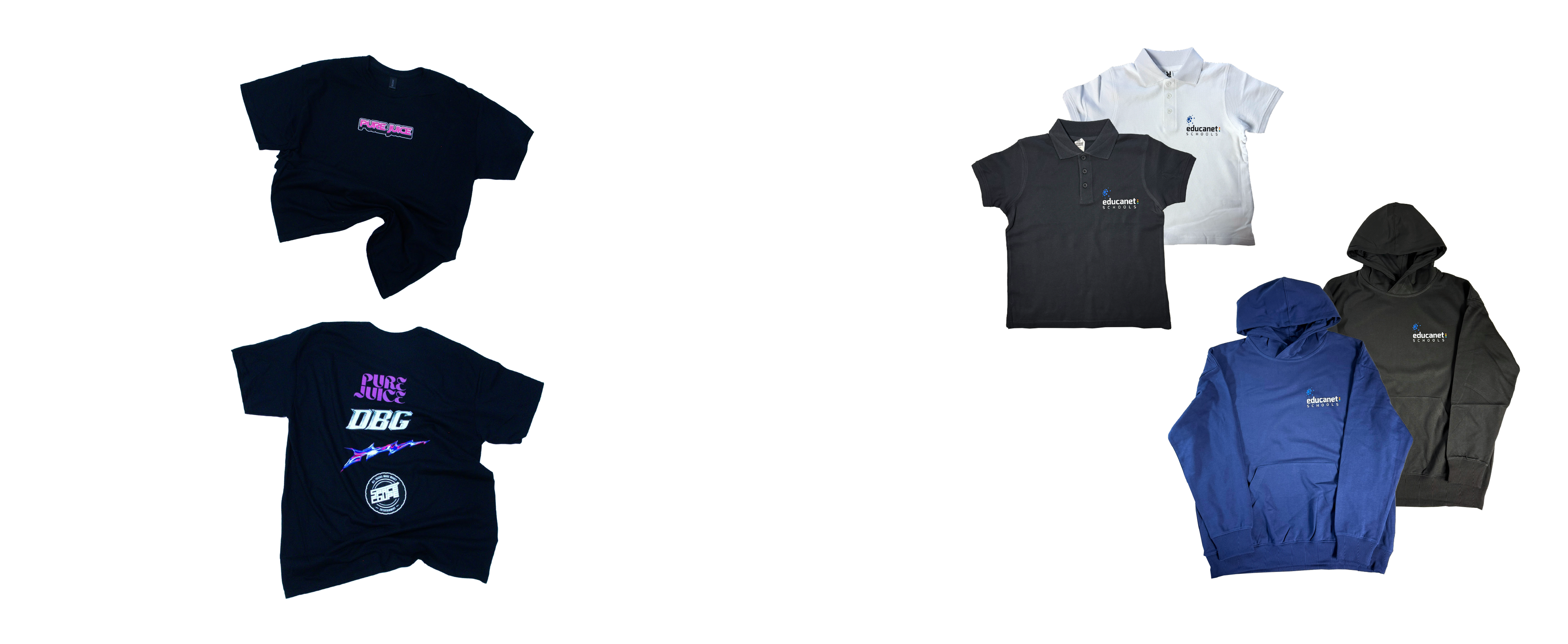
Evaluate providers on print consistency, fabric durability after 10+ washes, speed adherence vs. promise, and service responsiveness.
Look for photo references, machine specs (screen/DTF/sublimation), and documented QA workflows (ISO‑aligned).
Third‑party reviews that mention colorfastness and sizing accuracy beat generic praise. A simple scorecard keeps procurement decisions defensible and repeatable.
Best materials for warm climates: comfort and longevity
For warm offices or Southern EU events, choose breathable, lightweight knits. 100% combed ring‑spun cotton at 150–160 gsm maximizes airflow; 60/40 cotton‑poly blends improve moisture management and dry faster; polyester microfibre performance knits suit long outdoor shifts.
Research from the Hohenstein Institute indicates fabric weight, knit structure, and moisture transport drive thermal comfort.
Match print tech to fabric: screen print for cotton, DTF for blends, sublimation for polyester.
What Now?
EU‑based teams needing fast, reliable company T‑shirts with photo‑verified quality and clear lead times can explore production with a Czech partner focused on speed, consistency, and re‑order fidelity.
👉 Book your FREE consultation today or contact us:
Frequently Asked Questions
What is the cheapest way to order company T‑shirts online in the EU?
Standardize cuts, use one‑color screen print or DTF, and order at volume discount tiers from EU‑based suppliers with transparent pricing.
How fast can custom company T‑shirts be delivered across the EU?
Typical production runs 3–5 business days plus 1–3 days courier transit; confirm rush options and cut‑off times.
Which materials are best for company T‑shirts in warm climates?
Lightweight combed cotton (150–160 gsm), cotton‑poly blends for moisture control, and polyester performance knits for outdoor staff.
Which print technology balances durability and brand color accuracy?
Screen print for solid spot colors and high wash durability; DTF for detail on blends; sublimation for polyester.
How do I ensure sizing accuracy for corporate orders?
Request size charts, fit samples, and pre‑production proofs; lock a standard cut for re‑orders.
How can I validate a supplier’s fast shipping claims?
Ask for written SLAs, production window breakdowns, tracking, and recent on‑time delivery rates with references.
Are there EU compliance considerations for branded apparel?
Ensure REACH compliance, VAT invoices, and ethical sourcing disclosures; request fabric certifications when needed.
What reduces risks for urgent event deadlines?
Pre‑check stock, split shipments, use time‑definite couriers, and plan a one‑day buffer beyond transit.