
Sublimation for Sports Jerseys: What It Can Do, Material Limits, and Design Tips That Sell
Sublimation jerseys are a low-weight, high-visibility staple for company sports teams and events—but poor fabric choice or artwork can cause muted colors and delays.
According to industry data, polyester performance wear dominates sports apparel thanks to moisture management and durability, making it ideal for sublimation. Done right, you get deep color, zero cracking, and reliable lead times.
What Sublimation Can Do: Lightweight, Durable, Colorfast
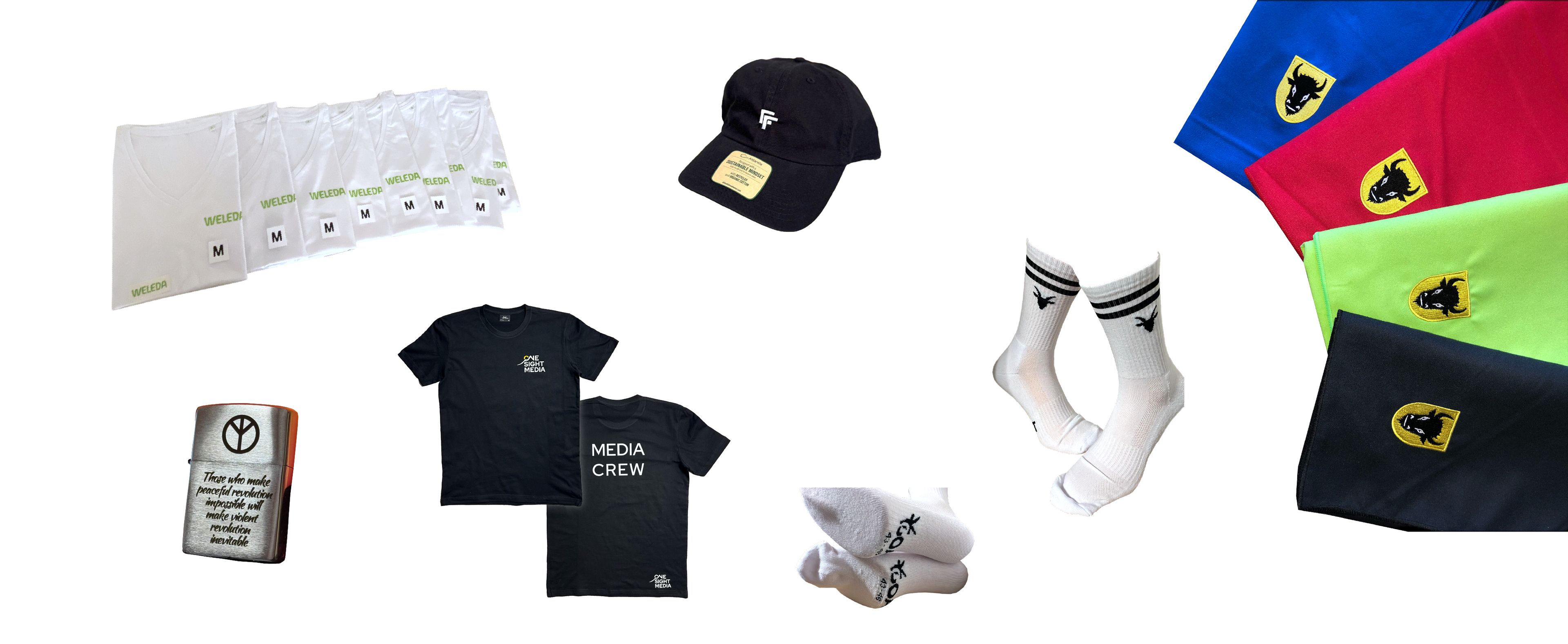
Sublimation bonds dye into polyester fibers, delivering breathable jerseys that don’t crack or peel—perfect for sports, company team building, marketing events, and sales activations.
It excels on all-over graphics, gradients, and complex branding without adding weight. Polyester’s moisture-wicking and durability underpin its dominance in performance textiles, aligning with sublimation’s strengths for frequent wear and washing.
According to Euratex, polyester-based technical textiles drive EU sportswear performance due to resilience and ease of care.
Material Limits: Pick Fabrics That Print Clean
Sublimation requires high-polyester content (ideally 85–100%). Cotton and low-poly blends won’t lock in dye; colors look faded. Dark bases are problematic because sublimation inks are transparent—choose white or light fabrics for accurate brand colors.
Heat-sensitive elastanes may distort if profiles are miscalibrated. If your design needs cotton or deep blacks, combine methods: screen print or DTG for logos; sublimation for the body pattern to keep weight low.
Visual Tips: Design That Survives Motion, Sweat, and Cameras
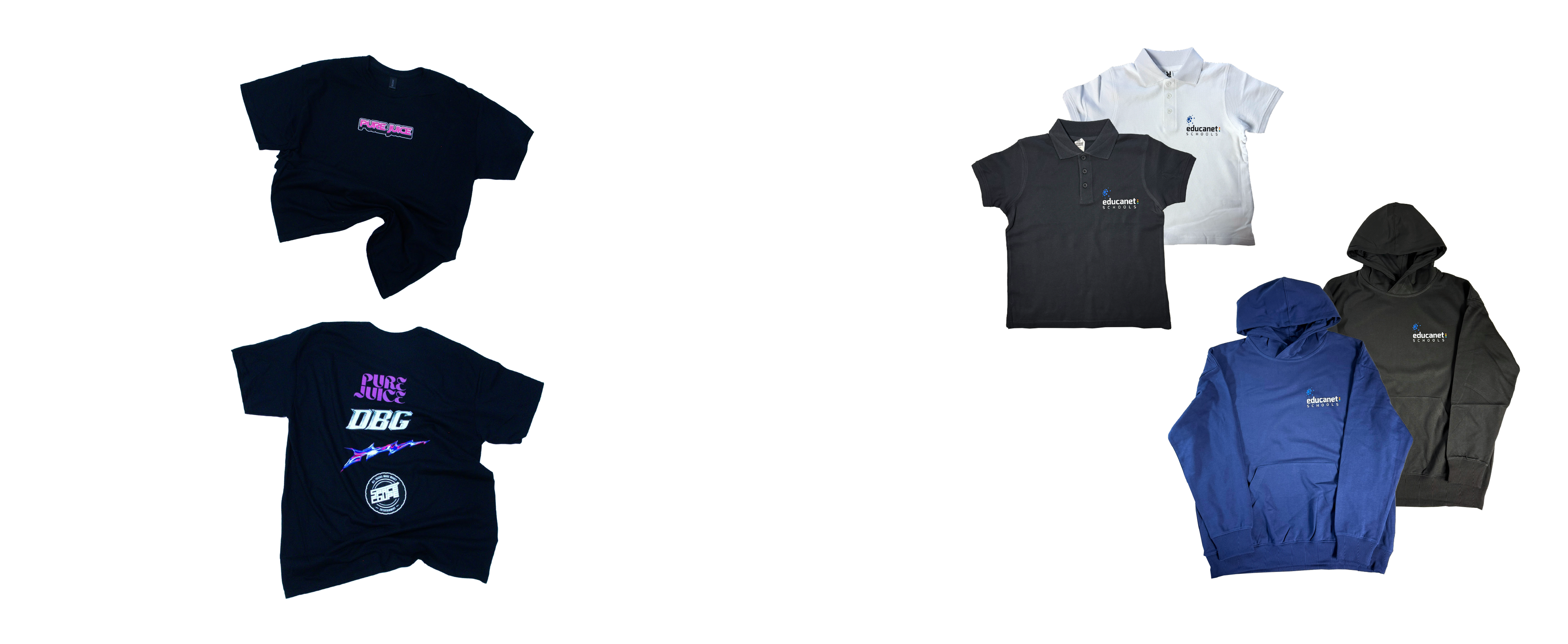
Prioritize seam-aware templates to keep logos from warping over shoulders and side panels. Use vector logos sized for visibility at 2–3 meters and avoid micro text that blurs in motion.
Opt for high-contrast palettes and request on-fabric swatches for critical brand colors—polyester can shift vibrancy. For ventilation, reduce large dark blocks over high-sweat zones; use gradients or micro-patterns to maintain breathability.
Proof of Quality, Compliance, and Lead Times
EU buyers should request fabric composition, washing instructions, and color-fastness testing to ensure durability for repeated events. REACH compliance and proper labeling are table stakes for corporate procurement.
Typical lead times for custom sublimation jerseys are 3 weeks, depending on quantities and approval cycles—fast enough for urgent event merchandising when artwork is final.
According to the European Commission, textile products must meet labeling and chemical safety regulations for consumer protection.
Ordering in the Czech Republic
Local Czech production offers transparent timelines, photo-backed references, and technology selection. See verified examples and tech stack here:
Reference Photos & Technology ↗.
What Now?
EU-based teams and event programs can streamline ordering with Czech production partners offering fast proofs, reliable timelines, and photo-referenced quality—ideal for marketing, HR, and sales-led initiatives.
👉 Book your FREE consultation today or contact us:
Frequently Asked Questions
What materials are best for sublimation sports jerseys in the EU?
High-polyester fabrics (85–100%) ensure vivid color and wash durability.
Can sublimation print effectively on cotton or dark fabrics for sportswear?
Not reliably; use white/light polyester. For cotton or deep blacks, add DTG or screen print.
How long do sublimation prints last with frequent washing and wear?
Years with proper care; dye is embedded in fibers, so no cracking or peeling.
What is the typical lead time for custom sublimation jerseys for company events?
Usually 3 weeks depending on quantities, seasonality, and approvals.
How should artwork be prepared for sublimation on jerseys?
Vector logos, high-resolution images, seam-aware placements, and CMYK proofing with fabric swatches.
Are sublimation jerseys breathable and suitable for high-intensity activities?
Yes—polyester performance fabrics support moisture management and airflow.
How do brand colors translate on polyester using sublimation?
Expect slight shifts; request on-fabric swatches and color profile adjustments.
What EU regulations apply to sublimation-printed apparel?
REACH chemical safety and textile labeling; ensure supplier documentation is complete.