Secrets of High-Impact Sublimation: Materials, Limits, and Visual Tips for Sport Teams
Sublimation on sports jerseys delivers ultra‑light garments with color that doesn’t crack or peel, even under heavy use.
Many EU buyers still face fabric mismatch, dull hues, or missed deadlines. This practical guide shows what sublimation does best, where it fails, and how to design readable kits that make you seen.
Frequently Asked Questions
What fabrics are best for sublimation sports jerseys?
High‑polyester (85–100%) lightweight or mesh fabrics on light/white bases for best color and breathability.
Can sublimation print on dark or black jerseys effectively?
No—use light bases or switch to DTF/screen for opaque color on dark textiles.
Does sublimation crack or peel over time with frequent washing?
No, color fuses into fibers; follow care instructions for long‑term durability.
How does sublimation compare to DTF and screen printing for logos?
Sublimation is breathable and weightless; DTF gives opaque color on darks; screen excels for solid spot colors at volume.
What file formats ensure sharp logos and text?
Vector files (AI, PDF, SVG) with outlined fonts; include Pantone references for color targets.
What production timelines can EU buyers expect for events?
With ready files and approvals, local CZ production can meet urgent deadlines but usually production takes 3-4 weeks.
How do we manage color accuracy across neons and reds?
Provide CMYK + Pantone; expect slight variance in fluorescents.
Where can we see proof of quality and choose the right technology?
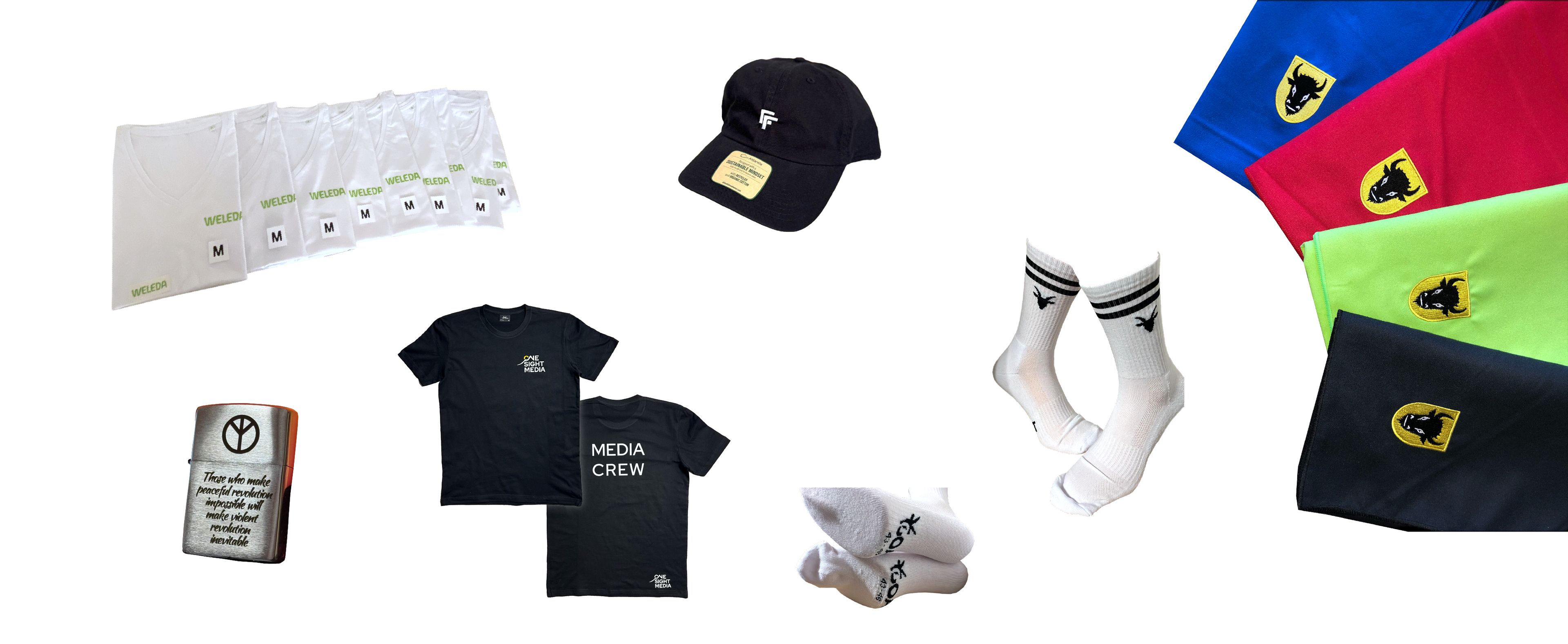
See photo‑verified references and tech overview: Reference Photos & Technology ↗.
What sublimation does best: light, breathable, brand‑true
Sublimation bonds dye into polyester fibers, producing breathable jerseys with vivid, wash‑resistant color and zero surface weight—ideal for employer branding, tournaments, and corporate leagues.
There’s no cracking or peeling because color is inside the fiber, not on top. For brand visibility, this increases real‑world wear time and exposure at events and activations.
Material limits and smart alternatives
Sublimation requires high polyester content (85–100%) and light/white bases. It cannot print opaque white and performs poorly on dark cotton.
For dark kits or mixed fabrics, use DTF for opaque color, screen print for spot colors, or heat‑transfer films for metallics. Hybrid sets work: sublimate the jersey body; use alternative tech for sponsor patches and accessories to maintain consistency.
Durability, care, and proof of quality
Because dye becomes part of the fiber, well‑produced sublimation resists abrasion and repeated wash cycles. Wash cold, avoid softeners, tumble low to protect functional finishes.
According to the European Textile Technology Platform, synthetic performance textiles lead activewear growth due to durability and moisture management—directly aligned with sublimation’s strengths.
Visual tips: design for readability and speed
Use high‑contrast sponsor logos on light bases; avoid thin white lines on color heathers. Keep key branding in safe zones away from seams; gradients can misalign across panels.
Provide vector artwork and outlined fonts to prevent blur at small sizes. Calibrate reds and fluorescents - print with CMYK + Pantone references to manage expectations.
EU logistics
Production in the Czech Republic enables fast mid‑EU delivery and local QC.
Reference Photos & Technology ↗.
What Now?
EU marketing, sales, HR, and event teams: get fast, reliable sublimation production in the Czech Republic with proof‑based quality, color calibration, and deadline‑driven logistics.
Explore materials and formats mapped to your budget and timeline.
👉 Book your FREE consultation today or:
ADAM WROBEL (OWNER)
AHEAD PROD.
+420 727 944 046
info@aheadprod.com
LET'S MAKE YOUR BRAND VISIBLE!